Bat drag is measurable. Measure it before you drill it.
Searched as "bat drag". Here is what the phrase actually means, what the video shows, and how a measured report ends the argument.
What it looks like
- The back elbow slips ahead of the hands on the way to the ball
- The barrel arrives flat and late, especially against speed
- Lots of foul balls the other way and jam-shot contact
What is actually happening
Coaches call it bat drag when the back elbow leads too long and the barrel trails behind the hands. What we can measure is the result: a hand path that is longer than it should be for the player's size, and sequence timing where the hands fire late relative to the hips. Those two numbers, side by side, separate real bat drag from a hitter who is simply late on velocity.
What we measure to find it
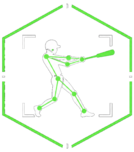
Every measurement comes from computer vision body tracking on one phone video, 33 landmarks on every frame, the same class of kinematic analysis professional organizations run on their players. Estimates are labeled EST, and no ball speed numbers are invented.
Drills that help
Place an empty water bottle a ball's width behind and slightly above the hitting zone path. Clean contact without touching the bottle rewards a tighter, more direct route.
A partner flashes fingers mid-swing and the hitter calls it after contact. Keeping the eyes quiet shortens the path more than any hands cue.
Drills are constraints, not lectures: set the task and let the player's body solve it. They work best aimed at the measured leak, which is the point of measuring first.
Stop guessing. Measure it.
Upload one video and get a coach signed diagnosis of what is actually leaking, within 24 hours. If we cannot read your video, you do not pay.
- A 7 page report: annotated frames, the measurements above, the likely cause, your tracking video.
- Within 24 hours of a completed order.
- Screened before payment. Signed by Coach Joel A. On time, or we make it right.
- $99, one time. Nothing else to buy.