Strikes come from a delivery that repeats. Measure the repeat.
Searched as "how to throw more strikes". Here is what the phrase actually means, what the video shows, and how a measured report ends the argument.
What it looks like
- Ball one, ball two, then a grooved fastball
- Walks undo every good inning
- Bullpen strikes, game balls
What is actually happening
Command is repetition. A pitcher throws strikes when the stride lands in the same place, the trunk rotates on the same schedule, and the ball leaves from the same window every pitch. Our report measures the pieces of that repeat: stride, drive, sequence timing, arm slot, and release height, so instead of yelling throw strikes, you can see which link wobbles.
What we measure to find it
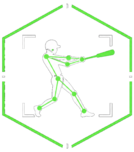
Every measurement comes from computer vision body tracking on one phone video, 33 landmarks on every frame, the same class of kinematic analysis professional organizations run on their players. Estimates are labeled EST, and no ball speed numbers are invented.
Drills that help
A chalk line from the rubber toward the plate. Every stride lands on it, first without a ball, then at half effort, then full.
Shrink the target as strikes accumulate: glove, then glove-half, then a sock in the glove. Accuracy grows from tasks, not from aiming harder.
Drills are constraints, not lectures: set the task and let the player's body solve it. They work best aimed at the measured leak, which is the point of measuring first.
Stop guessing. Measure it.
Upload one video and get a coach signed diagnosis of what is actually leaking, within 24 hours. If we cannot read your video, you do not pay.
- A 7 page report: annotated frames, the measurements above, the likely cause, your tracking video.
- Within 24 hours of a completed order.
- Screened before payment. Signed by Coach Joel A. On time, or we make it right.
- $99, one time. Nothing else to buy.